
Hydrocarbons are organic compounds composed of hydrogen and carbon atoms, commonly
found in petroleum, gasoline, and industrial chemicals.
When these Hydrocarbons contaminate drinking water, they pose serious health and
environmental risks.
Hydrocarbon contamination is often linked to industrial activities, oil spills, and improper waste
disposal, making it a growing concern for water safety worldwide.
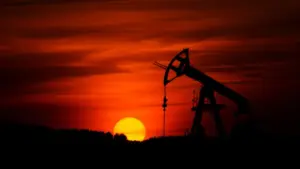
How Do Hydrocarbons contaminate
Drinking Water?
Hydrocarbon contamination can occur through various pathways, including:
- Industrial Discharges: Factories and refineries may release hydrocarbons
into water sources through leaks, spills, or improper waste management.
- Oil and Gas Extraction: Fracking, drilling, and transportation of oil and
gas can introduce hydrocarbons into groundwater and surface water.
- Underground Storage Tank Leaks: Aging or corroded fuel storage tanks
can leak hydrocarbons into nearby water supplies.
- Runoff from Roads and Urban Areas: Motor oil, gasoline, and other
hydrocarbon-based chemicals can wash into lakes, rivers, and reservoirs.
- Accidental Spills and Waste Disposal: Spills from pipelines, shipping
accidents, or improper dumping of petroleum products can lead to
long-term contamination.
Health Risks of Hydrocarbon
Exposure
Drinking water contaminated with hydrocarbons can have severe health effects, depending on
the type and concentration of the compounds present.
Some of the most harmful hydrocarbons include benzene, toluene, ethylbenzene, and xylene
(BTEX), as well as polycyclic aromatic hydrocarbons (PAHs).
1. Cancer Risk
- Benzene, a common hydrocarbon, is a known carcinogen linked to
leukaemia and other blood disorders.
- Long-term exposure to PAHs has been associated with increased
risks of bladder, lung, and skin cancers.
2. Neurological and Cognitive Effects
- Hydrocarbon exposure can impair brain function, leading to dizziness,
confusion, memory loss, and coordination problems.
- Long-term exposure may contribute to developmental delays and
cognitive impairments in children.
3. Liver and Kidney Damage
Some hydrocarbons accumulate in the liver and kidneys, potentially causing
organ damage and reducing their ability to filter toxins from the body.
4. Reproductive and Developmental
Issues
Pregnant women exposed to hydrocarbons may face an increased risk of
miscarriage, birth defects, and developmental disorders in their children.
5. Respiratory Problems
Inhalation of volatile hydrocarbons from contaminated water sources can
lead to respiratory distress, irritation, and long-term lung damage.
How to Detect Hydrocarbon contamination
Hydrocarbon contamination in water can sometimes produce a noticeable fuel-like odour or oily sheen, but
many are undetectable without proper testing.
Laboratory analysis, including gas chromatography and mass spectrometry, is necessary to
confirm contamination levels.
The Environmental Protection Agency (EPA) has established drinking water limits for certain
hydrocarbons, including benzene (5 parts per billion, or ppb) and toluene (1,000 ppb).
Preventing Hydrocarbon
Contamination
- Use Water Filtration Systems – Advanced filtration methods, such as activated
carbon and reverse osmosis, can help remove hydrocarbons contamination.
- Monitor Industrial Activities – Support regulations that enforce safe disposal
and containment of hydrocarbon waste from factories, refineries, and drilling sites.
- Properly Dispose of Hazardous Waste – Never pour motor oil, gasoline, or
petroleum products down drains, onto the ground, or into bodies of water.
- Regularly Test Your Water – If you live near industrial zones, gas stations, or
oil drilling sites, test your water supply regularly to ensure its safety.
- Check Public Water Reports – Stay informed about local water quality by
reviewing municipal water testing reports.
The Dangers of Hydrocarbon
Contamination
Hydrocarbon contamination in drinking water poses a significant health risk that should not be ignored.
By understanding its sources, health effects, and prevention methods, individuals and communities can
take proactive steps to ensure clean and safe drinking water.
Investing in water filtration, responsible waste management, and stricter environmental regulations can
help mitigate the dangers associated with hydrocarbon pollution and protect public health for future
generations.