
Groundwater is one of Earth’s most vital resources, silently flowing beneath our feet and supplying nearly
half the world’s population with drinking water.
Yet, despite its importance, groundwater is often overlooked until it becomes contaminated. The invisible
nature of this resource makes pollution harder to detect and, consequently, more challenging to remediate.
In this post, we explore the causes of groundwater contamination, its effects, and the innovative methods
being used to fix it.
What Is Groundwater Contamination?
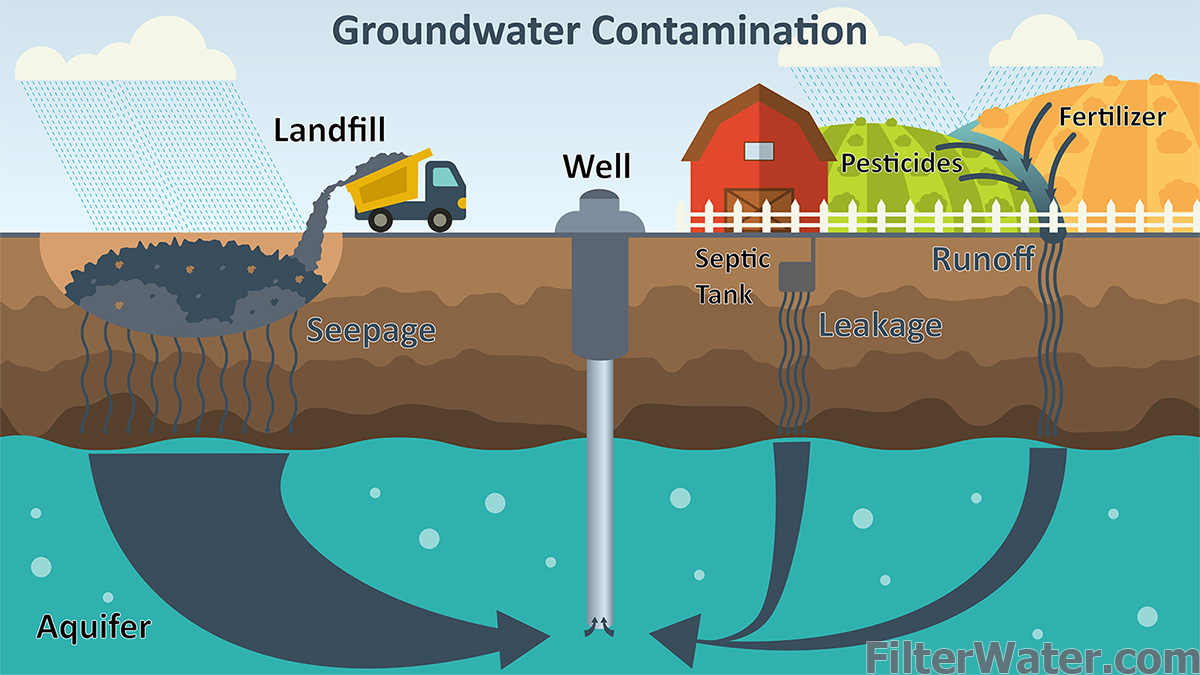
Groundwater becomes contaminated when pollutants leach into the subsurface and degrade the quality of
the water in aquifers. Common contaminants include:
- Industrial chemicals (e.g., solvents, heavy metals, petroleum products)
- Agricultural runoff (e.g., nitrates, pesticides, herbicides)
- Leaking septic systems
- Landfills and waste disposal sites
- Mining operations
- Saltwater intrusion in coastal areas
The complexity of subsurface geology means these pollutants can travel far from their original source,
often unnoticed for years.
The Impact on Health and Ecosystems
Contaminated groundwater can have severe health implications. High nitrate levels, for example, are
linked to methaemoglobinaemia (blue baby syndrome), while heavy metals like arsenic and lead can
cause neurological and developmental issues.
Ecosystems reliant on groundwater-fed springs and wetlands may also suffer, leading to a loss in
biodiversity.
Fixing the Problem: Remediation Techniques
Fixing contaminated groundwater is no easy feat. Unlike surface spills, underground pollution is
often diffuse and difficult to access. However, scientists and engineers have developed a range
of remediation strategies:
- Pump and Treat Water is pumped out of the ground, treated to remove
contaminants, and then either reinjected into the aquifer or discharged.
This method is reliable but slow and energy-intensive.
- In-Situ Bioremediation This technique introduces microorganisms or
nutrients into the subsurface to stimulate the natural degradation of
contaminants.
It’s particularly effective for organic pollutants like petroleum hydrocarbons.
- Permeable Reactive Barriers (PRBs) A reactive material, such as
zero-valent iron, is placed underground to intercept and treat contaminated
groundwater as it flows through the barrier.
- Soil Vapor Extraction (SVE) and Air Sparging Volatile organic compounds
(VOCs) can be removed by injecting air or extracting vapours from the
subsurface, often used in combination.
- Monitored Natural Attenuation (MNA) In cases where conditions allow,
natural processes like dilution, adsorption, and biodegradation are monitored
to ensure the contaminants are reducing over time without active intervention.
The Future: Smart Monitoring and AI Integration
Emerging technologies are transforming how we detect and fix groundwater contamination. Real-time sensors,
satellite data, and machine learning models are being deployed to better predict contaminant migration and
identify hotspots.
These tools can optimize remediation strategies, reducing both time and cost.
Moreover, community engagement and policy reform are crucial. Preventative measures, such as stricter
regulations on agricultural chemicals, better landfill design, and improved waste treatment systems, remain our
first line of defence.
Conclusion
Groundwater contamination is a silent crisis, but one that can be managed with science, innovation, and
responsibility.
As we move toward a future of sustainable water management, recognizing the value of this hidden resource
is the first step.
By investing in advanced remediation techniques and promoting preventative policies, we can
safeguard groundwater for generations to come.