
In recent years, the prevalence of microplastics in our environment has surged,
infiltrating not just oceans and soil but also the very water we drink. These tiny
plastic particles—measuring less than five millimetres in diameter—pose potential
risks to human health, yet they remain largely unregulated.
The water industry
stands at a crucial crossroads: either continue to let microplastics contaminate
our drinking supply or take proactive steps to safeguard public health.
Credit: mdpi.com
What Are Microplastics and How Do
They Enter Drinking Water?
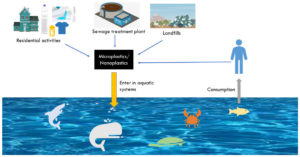
Microplastics originate from various sources, including the breakdown of larger
plastic waste, synthetic fibres from clothing, and micro beads in personal
care products. They enter the water supply through:
- Wastewater run-off: Plastics from land-based pollution make
their way into rivers and reservoirs. - Water treatment inefficiencies: Traditional filtration methods
may not fully capture microplastic particles. - Plastic pipes and bottles: Degradation of plastic infrastructure
can leach micro particles directly into the water we drink.
Potential Health Risks of Consuming
Microplastics in drinking water
The long-term effects of drinking microplastics remain under investigation,
but early research points to concerning implications:
- Toxic Chemical Exposure: Many plastics contain harmful additives
like BPA, phthalates, and flame retardants, which have been linked
to endocrine disruption, reproductive harm, and metabolic disorders. - Inflammation & Cellular Damage: Studies suggest that microplastics
can accumulate in human tissues, potentially triggering inflammatory
responses and cellular damage. - Microbial Contamination: Microplastics may act as carriers for
harmful bacteria and pollutants, increasing the risk of infections and
other health issues.
Why the Water Industry Must Act Now
With growing evidence of microplastic contamination, the water industry has a
responsibility to lead the charge in mitigating risks. This presents an opportunity
not only to enhance public health but also to attract forward-thinking
professionals dedicated to sustainable solutions.
The industry needs engineers, researchers, and policy experts to drive innovation
in microplastic filtration, infrastructure upgrades, and sustainable practices.
Careers in the Fight Against Microplastics
As the demand for cleaner water grows, so does the need for skilled
professionals in fields such as:
- Water Quality & Environmental Engineering: Developing advanced
filtration systems to remove microplastics from drinking water. - Policy & Regulation: Shaping new guidelines to reduce plastic
pollution at the source. - Sustainable Water Management: Designing alternatives to plastic
infrastructure and promoting circular economy practices.
Be Part of the Change
Microplastic contamination is not a distant problem—it’s happening now, and its
impact on human health is still unfolding. If you’re passionate about environmental
sustainability and public health, the water industry offers a unique chance to be at the
forefront of real-world change.
Whether you’re a scientist, engineer, or advocate, your expertise is needed to
ensure safe, clean drinking water for future generations.
The fight against microplastics is just beginning—will you be part of the solution?