
The utilities sector stands at an inflection point in 2026. Electricity demand is surging, driven by AI data centres,
electric vehicles, and industrial electrification, with U.S. peak demand projected to grow 26% by 2035. Utilities
are racing to modernise ageing grids, integrate renewables at scale, and deliver reliable, affordable power amid
decarbonisation pressures.
Digital transformation is no longer optional. It’s the operating system for the future grid. But here’s what many
leaders are realising:
The biggest impact isn’t on the technology itself; it’s on the people who run it.
What Digital Transformation Actually Looks Like in Utilities Today
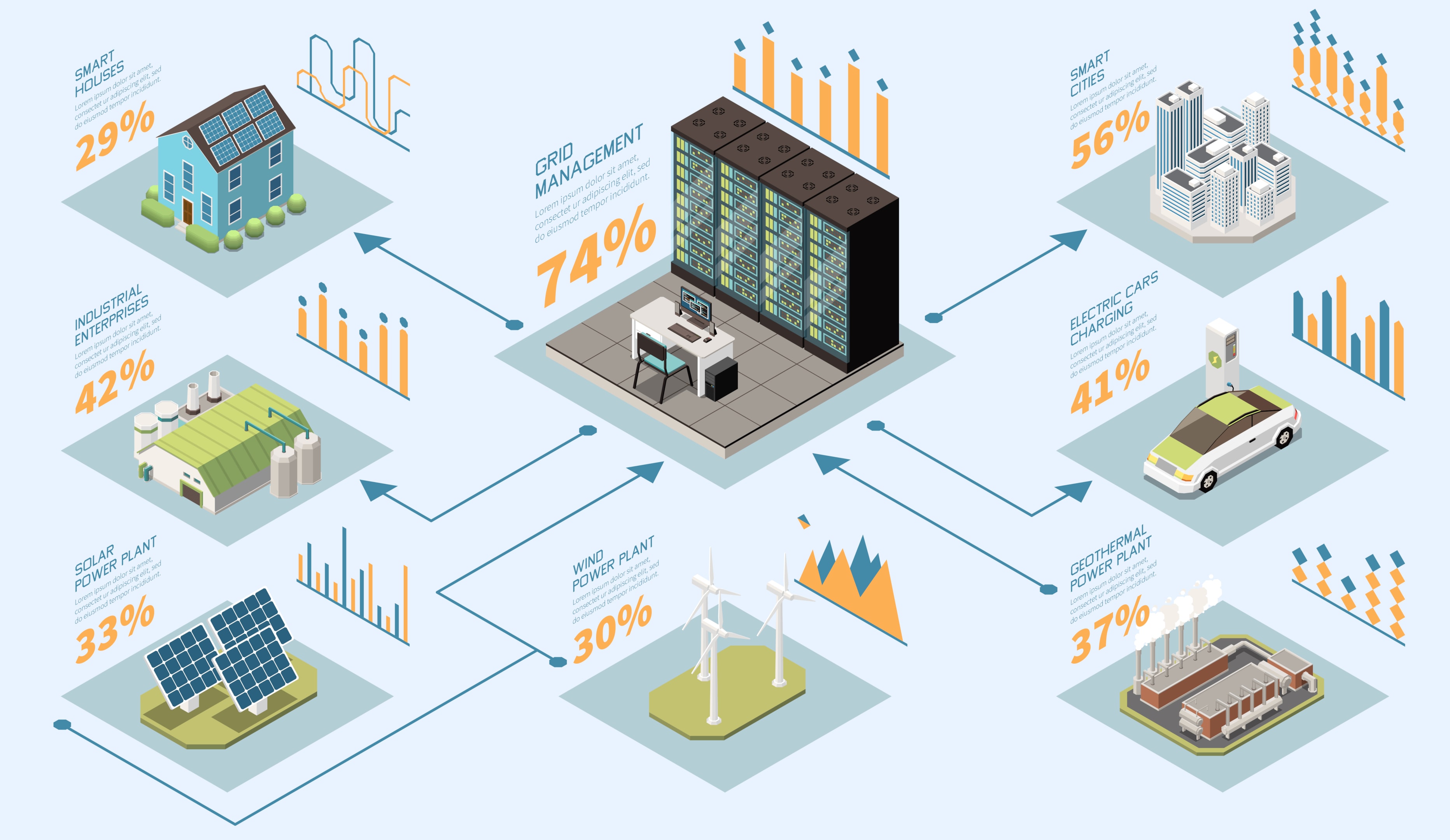
Digital transformation in utilities means embedding AI, IoT, cloud computing, digital twins, edge intelligence,
and generative AI into every layer of operations—from generation and transmission to customer service and
field work.
Key enablers include:
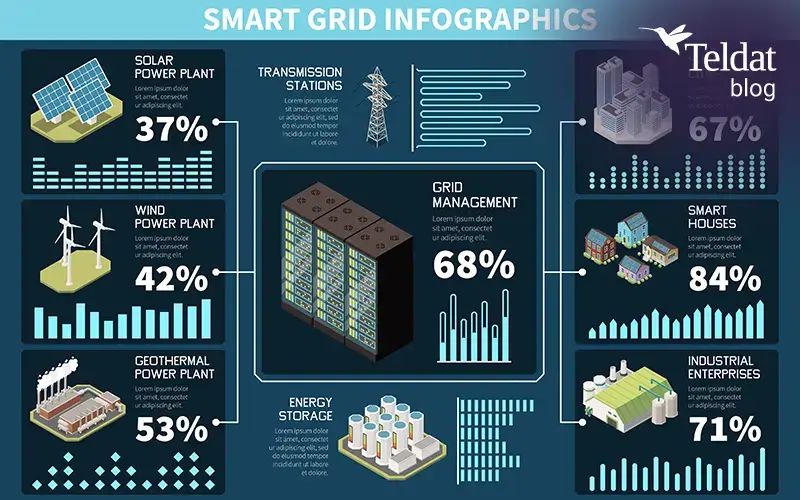
- Smart grids with real-time monitoring and automated balancing of
distributed energy resources (DERs).
- AI-powered control rooms that predict outages, optimise dispatch,
and prioritise maintenance.
- Gen AI copilots trained on manuals and incident logs to guide
technicians in real time.
- Drones and edge sensors for faster inspections and predictive
maintenance.
- Advanced analytics for demand forecasting, asset performance,
and cyber resilience.
By 2027, nearly 40% of utility control rooms are expected to use AI for decision support, while gen AI copilots
and edge-enabled drones shorten inspection cycles and boost first-time fix rates.
These tools don’t just make operations smarter; they fundamentally change how work gets done.

The Workforce Reality: A Perfect Storm of Shortages and New Demands
Utilities already face a demographic cliff. Nearly half the workforce is expected to retire within the next decade, while
non-retirement turnover is rising and new talent is scarce.
On top of that, digital transformation is accelerating the skills gap:
- 43% of utility executives cite a shortage of technical skills as the
biggest barrier to AI/ML adoption.
- Over 76% of employers report difficulty filling modernised grid roles,
especially in cybersecurity, data analytics, and digital operations.
- Digital and analytical roles are projected to grow by more than 30%
through 2030.
Traditional linemen, operators, and engineers are still essential; but they now need data literacy, AI fluency, and
cybersecurity awareness. New roles are emerging: AI model overseers, DER forecasters, digital twin specialists,
and cyber resilience experts.
The result? Workforce planning can no longer be an annual HR exercise. It must become a strategic, real-time
business capability.
What This Means for Workforce Planning: From Reactive to Proactive
Here’s how forward-thinking utilities are responding:
- Treat digital tools as workforce multipliers, not replacements Gen AI copilots don’t eliminate technicians;
they help them fix issues faster.
Drones and sensors don’t replace field crews; they let fewer people cover more ground safely.
As one industry leader put it: “The goal of these applications is not to replace people. The goal is to make your
people even more productive… digitally-driven applications can be a strategic workforce multiplier.”
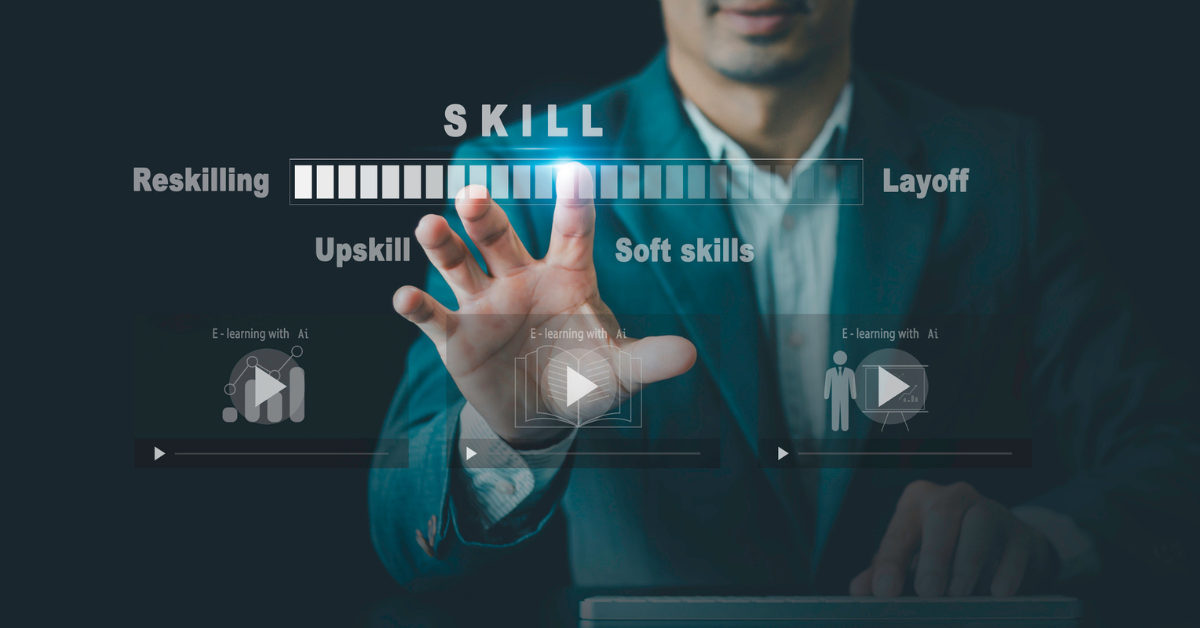
- Build hybrid skills through reskilling and upskilling Utilities are investing in digital simulated training
environments, AI-powered learning platforms, and partnerships with universities and technical colleges.
Retirees are being brought back in flexible mentor roles to transfer institutional knowledge before it walks out
the door.
- Embed strategic workforce planning (SWP) into business strategy Leading organisations now forecast
talent supply and demand alongside capital planning and grid modernisation roadmaps.
They use scenario modelling to answer: “If we deploy AI across 80% of field operations by 2028, what roles
shift, what new skills do we need, and how do we close the gap?”
- Focus on culture, change management, and talent attraction Rebrand the sector as a tech-forward,
purpose-driven industry to attract younger workers. Emphasise human oversight in AI systems (as required
by NERC guidance) to build trust. Prioritise diversity; digital roles often appeal to new demographics.
The Payoff: A More Resilient, Productive, and Future-Ready Workforce
Utilities that get workforce planning right will see:
- Higher productivity and lower operational costs
- Faster deployment of grid-enhancing technologies
- Improved reliability and customer satisfaction
- Stronger ability to attract and retain top talent in a competitive market
Those that treat it as an afterthought risk stalled digital initiatives, higher costs, and reliability issues exactly when
demand is highest.
Final Thought: The Grid of the Future Needs People at Its Core
Digital transformation in utilities isn’t about replacing humans with machines. It’s about augmenting human
capability so that a smaller, more skilled workforce can achieve more than ever before.
The winners in 2026 and beyond won’t be the utilities with the most advanced technology. They’ll be the ones
who planned their workforce transformation just as thoughtfully as their grid modernisation.
Now is the time to move workforce planning from the sidelines to the centre of your digital strategy. The
energy transition depends on it.